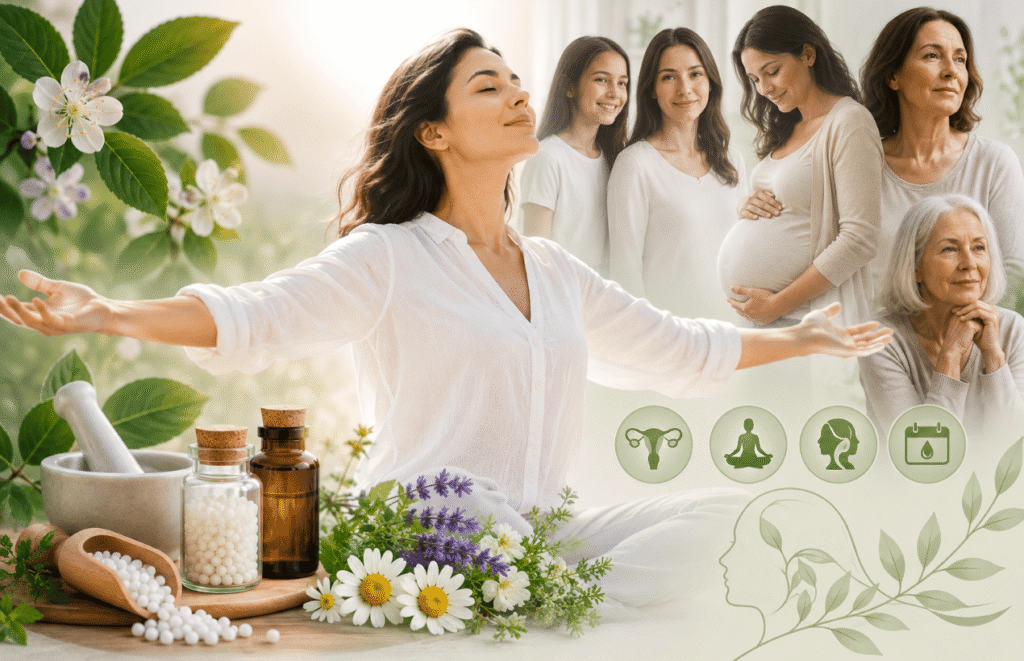
Women’s health is unique and constantly evolving throughout different stages of life—from adolescence and the reproductive years to pregnancy and menopause. Hormonal changes, lifestyle factors, stress, and underlying medical conditions can all influence a woman’s physical, emotional, and mental well-being.
Many women seek a gentle, holistic approach that not only addresses their symptoms but also focuses on improving their overall health. Homeopathy is a holistic system of medicine that emphasizes individualized care, considering each person’s unique physical, emotional, and mental characteristics.
In this blog, we explore some of the most common female health concerns and how homeopathy may support overall wellness as part of a comprehensive healthcare plan.
Understanding Women’s Health
The female reproductive system is regulated by a delicate balance of hormones. Even small hormonal fluctuations can affect menstrual cycles, energy levels, mood, skin, sleep, digestion, and reproductive health.
Occasional symptoms are common, but persistent or severe complaints should always be evaluated by a qualified healthcare professional to identify any underlying medical condition.
Common Female Health Concerns
- Menstrual Irregularities
A regular menstrual cycle is often considered an indicator of reproductive health. However, many women experience irregular periods at some stage of life.
Common symptoms include:
- Delayed or missed periods
- Early periods
- Heavy menstrual bleeding
- Scanty menstrual flow
- Irregular cycles
- Spotting between periods
Possible causes include hormonal imbalance, stress, thyroid disorders, excessive exercise, nutritional deficiencies, and Polycystic Ovary Syndrome (PCOS).
- Premenstrual Syndrome (PMS)
Premenstrual Syndrome refers to a group of physical and emotional symptoms that occur in the days leading up to menstruation.
Symptoms may include:
- Mood swings
- Irritability
- Anxiety
- Breast tenderness
- Bloating
- Headaches
- Fatigue
- Food cravings
- Difficulty concentrating
The severity of symptoms varies from one woman to another.
- Polycystic Ovary Syndrome (PCOS)
PCOS is one of the most common hormonal disorders affecting women of reproductive age. It is characterized by hormonal imbalance, irregular ovulation, and, in some cases, the development of multiple small cysts in the ovaries.
Common symptoms include:
- Irregular or absent menstrual periods
- Acne
- Excess facial or body hair (hirsutism)
- Weight gain or difficulty losing weight
- Hair thinning or hair loss
- Darkening of the skin, particularly around the neck or underarms
- Fertility concerns
Early diagnosis, healthy lifestyle modifications, and appropriate medical care are important for long-term management.
- Painful Menstruation (Dysmenorrhea)
Menstrual cramps are common but can sometimes be severe enough to interfere with work, school, or daily activities.
Women may experience:
- Cramping lower abdominal pain
- Backache
- Nausea
- Vomiting
- Fatigue
- Pain radiating to the thighs
Persistent or severe pain should always be evaluated to rule out conditions such as endometriosis or adenomyosis.
- Vaginal Discomfort
Many women experience vaginal symptoms at some point in their lives.
These may include:
- Itching
- Burning sensation
- Abnormal vaginal discharge
- Vaginal dryness
- Unpleasant odour
- Irritation during urination or intercourse
These symptoms may result from infections, hormonal changes, allergies, or other medical conditions. Proper diagnosis is essential before beginning treatment.
- Menopause
Menopause is a natural phase that marks the end of menstrual cycles. Although it is a normal biological process, many women experience symptoms that can affect their quality of life.
Common symptoms include:
- Hot flushes
- Night sweats
- Mood changes
- Sleep disturbances
- Joint and muscle pain
- Fatigue
- Vaginal dryness
- Reduced concentration
Every woman’s menopausal journey is different, and symptoms can range from mild to severe.
- Emotional and Hormonal Changes
Hormonal fluctuations can significantly influence emotional health.
Women may experience:
- Anxiety
- Irritability
- Emotional sensitivity
- Low mood
- Stress
- Sleep disturbances
- Difficulty concentrating
Addressing both emotional and physical health is an important part of comprehensive care.
Homeopathy: An Individualized Approach
Homeopathy follows the principle of individualized treatment. Rather than focusing solely on a diagnosis, a qualified homeopathic physician evaluates the person as a whole.
During a consultation, the physician may consider:
- The nature and duration of symptoms
- Menstrual history
- Emotional well-being
- Sleep patterns
- Food preferences
- Lifestyle habits
- Personal and family medical history
Based on this comprehensive assessment, a personalized treatment plan is developed to support the body’s natural healing processes and promote overall well-being.
Lifestyle Measures That Support Women’s Health
Healthy lifestyle habits play a vital role in maintaining hormonal balance and overall wellness.
Helpful measures include:
- Eating a balanced and nutritious diet
- Engaging in regular physical activity
- Maintaining a healthy body weight
- Managing stress through relaxation techniques or mindfulness
- Getting adequate sleep
- Drinking sufficient water
- Scheduling regular health check-ups
These lifestyle measures complement both conventional medical care and homeopathic treatment.
When Should You Seek Medical Attention?
You should consult a healthcare professional promptly if you experience:
- Very heavy menstrual bleeding
- Bleeding after menopause
- Severe pelvic pain
- Persistent irregular menstrual cycles
- Recurrent vaginal infections
- Fever associated with pelvic pain
- Sudden severe abdominal pain
- Difficulty conceiving after trying for an appropriate period
- Persistent symptoms that interfere with your daily life
Early diagnosis can help identify underlying conditions and improve treatment outcomes.
Why Choose Homeopathy?
Homeopathy aims to treat the individual rather than simply the disease. By considering the complete symptom picture—including physical complaints, emotional state, and general health—it seeks to provide personalized care tailored to each patient’s unique needs.
Many women choose homeopathy as part of an integrated approach to health because of its holistic philosophy and individualized treatment plans.
Conclusion
Women’s health deserves compassionate, comprehensive, and individualized care. Whether you are experiencing menstrual irregularities, PMS, PCOS, menopausal symptoms, or other hormonal concerns, seeking professional medical advice is the first step toward better health.
Homeopathy, when prescribed by a qualified homeopathic physician, can be part of a holistic healthcare plan that supports overall well-being while addressing each person’s unique symptom pattern.
If you are experiencing persistent female health concerns, consult a qualified healthcare professional for a proper evaluation and an individualized treatment plan.
Book Your Consultation
Every woman’s health journey is unique. At our clinic, we provide individualized homeopathic consultations tailored to your specific symptoms, health history, and wellness goals. If you are looking for a holistic approach to women’s health, schedule a consultation with our experienced homeopathic physician and take the first step toward achieving better health naturally.